
Vintage Tonka Trucks – Classic & Antique Collection Guide
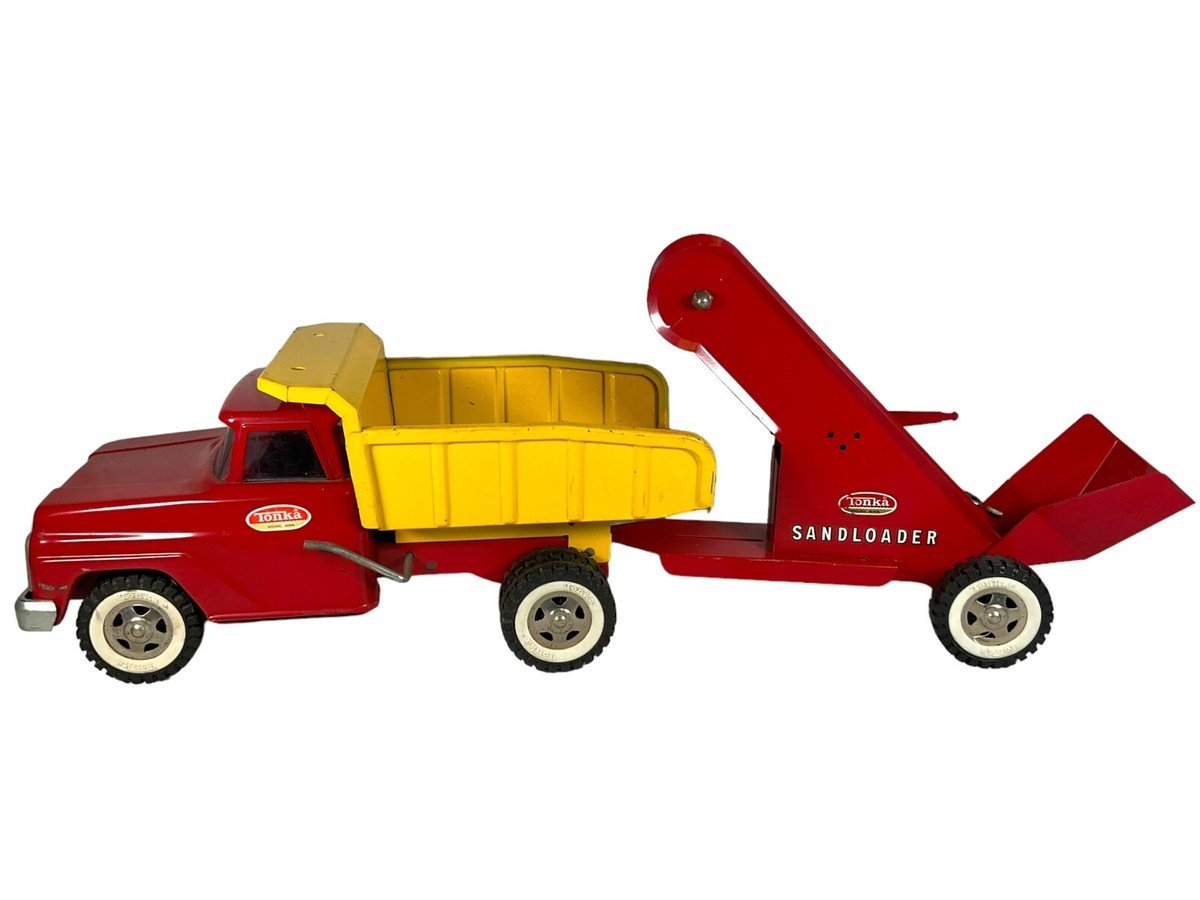
1960s Original Dump Truck
The iconic yellow dump truck that launched a thousand childhoods. This vintage Tonka truck features original steel construction, working dump bed, and authentic 1960s styling that collectors treasure.
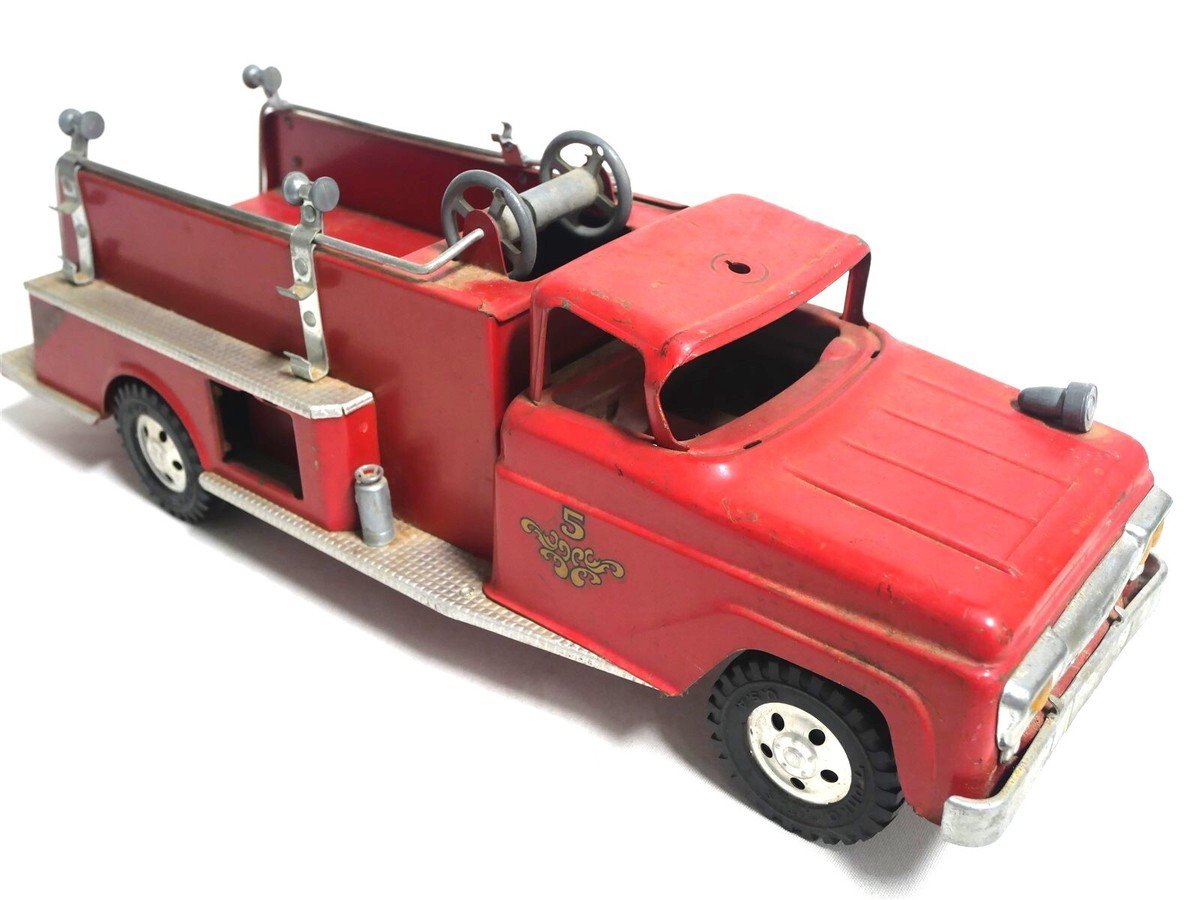
Classic Fire Engine Red Pumper
This vintage fire truck represents Tonka’s commitment to realistic emergency vehicle design. Complete with ladder, hose compartments, and bright red finish that has maintained its vibrant color through decades.
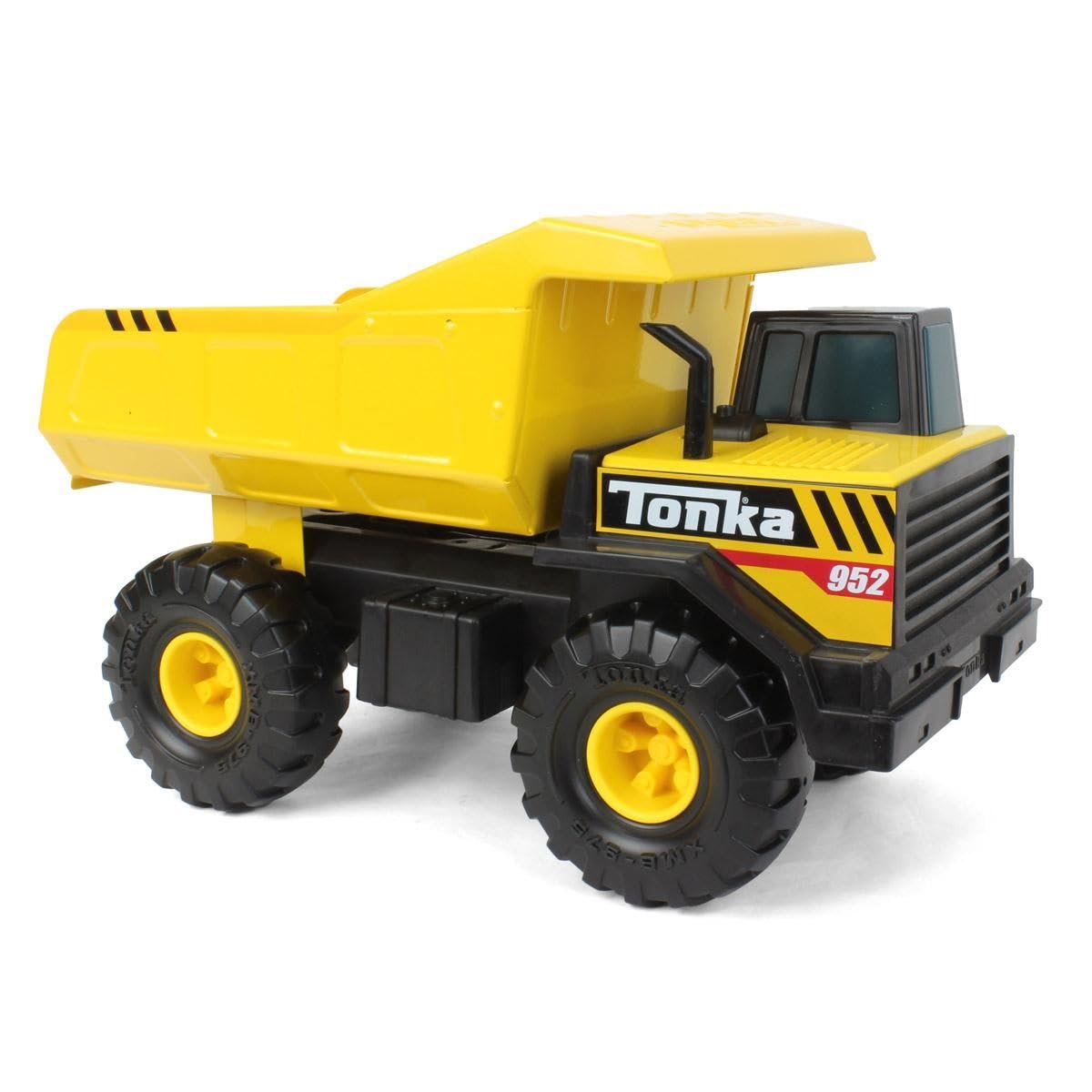
Antique Pickup Truck Model
A timeless representation of American pickup trucks in miniature form. This vintage Tonka truck showcases the brand’s attention to automotive detail and sturdy construction methods of the classic era.
The Golden Era of Vintage Tonka Trucks
Vintage Tonka trucks represent more than just toys—they embody an era when American manufacturing prioritized durability and craftsmanship above all else. These classic vehicles, produced primarily from the 1940s through the 1970s, established Tonka as the premier name in toy trucks.
The company’s commitment to steel construction set vintage Tonka trucks apart from competitors who used lighter materials. Each truck was built to withstand the roughest playground conditions, earning the famous slogan “Tonka Tough.” This dedication to quality explains why so many vintage models survive today in collectors’ hands.
Collectors worldwide seek out these antique treasures not just for nostalgia, but for their exceptional build quality. The same attention to detail found in modern steel classics originated with these vintage designs that continue to influence toy manufacturing standards.
Most Sought-After Vintage Tonka Truck Models
Original Dump Truck Series
The dump truck remains the most iconic of all vintage Tonka trucks, with early models from the 1960s commanding premium prices among collectors. These yellow giants featured hand-riveted construction and chrome details that modern manufacturing rarely replicates.
Fire Department Fleet
Vintage fire trucks showcase Tonka’s ability to create realistic emergency vehicles in miniature. The classic red pumper trucks, complete with working ladders and detailed compartments, represent some of the finest examples of toy engineering from the era.
Construction Vehicle Collection
Beyond the famous dump trucks, vintage construction vehicles included bulldozers, steam shovels, and road graders. Each model demonstrated the same commitment to realistic operation and durable construction that defined the brand.
Transportation and Delivery Trucks
Vintage Tonka trucks extended beyond construction themes to include delivery vans, pickup trucks, and semi-trailers. These models often featured company logos and realistic cargo areas that encouraged imaginative play.
Identifying Authentic Vintage Tonka Trucks
Manufacturing Marks and Dates
Authentic vintage Tonka trucks display specific manufacturing marks that help collectors verify age and authenticity. Early models feature “Mound Metalcraft” stamping, while later versions show “Tonka Toys” or simply “Tonka” pressed into the metal.
Date codes appeared on most vintage models, typically stamped on the undercarriage or inside wheel wells. These codes help collectors pinpoint production years and identify rare variants within specific model lines.
Construction Materials and Techniques
The steel gauge used in vintage Tonka trucks was notably thicker than modern reproductions. Original models feature hand-riveted joints rather than welded seams, creating distinctive construction patterns that counterfeiters struggle to replicate accurately.
Paint quality on authentic vintage models shows a depth and richness that cheaper modern paints cannot match. Even weathered original paint maintains better color saturation than fresh paint on reproduction models.
Hardware and Component Details
Original vintage Tonka trucks used specific hardware types, including particular screw patterns and chrome plating techniques. The metal trucks of this era featured components that were machined rather than cast, resulting in sharper details and better fit tolerances.
Restoring and Maintaining Vintage Tonka Trucks
Cleaning and Preservation
Proper maintenance of vintage Tonka trucks begins with gentle cleaning using appropriate solvents that won’t damage original finishes. Collectors recommend avoiding harsh chemicals that can strip paint or corrode chrome details on these classic vehicles.
Rust prevention becomes critical for maintaining the steel construction that makes these trucks valuable. Light surface rust can be treated, but deep corrosion significantly impacts both appearance and collector value.
Parts Replacement and Sourcing
Finding original replacement parts for vintage Tonka trucks requires patience and connections within the collector community. Common wear items like tires and small hardware pieces are sometimes available through specialty dealers who focus on classic vintage toy restoration.
Some collectors choose to fabricate missing parts using period-appropriate materials and techniques. This approach maintains the authentic character of vintage models while ensuring they remain functional display pieces.
Value Preservation Strategies
Maintaining maximum collector value requires balancing restoration with originality preservation. Over-restoration can actually decrease value if original patina and character marks are removed during the process.
Investment Value of Vintage Tonka Trucks
Market Trends and Pricing
The vintage Tonka truck market has shown steady appreciation over the past decade, with rare models commanding four-figure prices at auction. Condition, rarity, and completeness all factor heavily into current market valuations.
Certain models, particularly limited production runs and promotional vehicles, have outperformed broader collectible toy markets. These specialized vintage Tonka trucks often appreciate faster than more common models from the same production years.
Factors Affecting Collectible Value
Original packaging dramatically increases the value of vintage Tonka trucks, sometimes doubling or tripling auction prices. Complete sets with all original accessories and documentation represent the holy grail for serious collectors in this market segment.
Condition grading follows established protocols similar to other collectible categories. Mint condition vintage models with no play wear command premium prices, while played-with examples still hold significant value due to their sturdy construction.
The connection between vintage models and current truck toys helps maintain interest across multiple generations of collectors, supporting long-term market stability and growth potential for quality examples.
Building Your Vintage Tonka Truck Collection
Starting Your Collection Journey
New collectors should focus on learning to identify authentic vintage Tonka trucks before making significant purchases. Understanding the differences between original models and later reproductions prevents costly mistakes and builds confidence in the collecting process.
Starting with more common models allows beginners to develop expertise while building a foundation collection. These accessible vintage pieces provide hands-on learning opportunities without the financial pressure of rare model acquisitions.
Sourcing and Acquisition Strategies
Estate sales and garage sales still yield occasional vintage Tonka truck discoveries, though knowledgeable sellers increasingly research values before pricing items. Online auctions provide broader selection but require careful evaluation of condition and authenticity claims.
Collector shows and toy fairs offer opportunities to examine vintage models in person before purchasing. These venues also provide networking opportunities with other collectors who may offer trades or private sale opportunities.
Display and Storage Considerations
Proper display protects vintage Tonka trucks from environmental damage while allowing enjoyment of their classic designs. UV protection prevents paint fading, while controlled humidity reduces corrosion risks on steel components.
Storage solutions should accommodate the substantial weight of these steel vehicles while providing easy access for handling and examination. Many collectors prefer glass display cases that offer protection while maintaining visibility of their prized vintage models.
Preserving the Legacy of Vintage Tonka Trucks
Vintage Tonka trucks represent more than collectible toys—they embody an era of American manufacturing excellence that prioritized durability and craftsmanship. These classic steel vehicles continue to captivate collectors not just for their nostalgic appeal, but for their exceptional build quality that modern production rarely matches. From the iconic yellow dump trucks to the detailed fire engines, each vintage model tells a story of innovation and attention to detail.
The collecting community surrounding vintage Tonka trucks remains vibrant and growing, with new enthusiasts discovering the joy of owning these mechanical marvels. Whether starting with common models or seeking rare promotional pieces, collectors find satisfaction in preserving these important artifacts of toy history. The substantial construction and timeless designs ensure that properly maintained vintage models will continue delighting future generations.
Building a collection of vintage Tonka trucks requires patience, knowledge, and appreciation for craftsmanship that defined an era. As these classic vehicles become increasingly scarce, their value as both investments and historical artifacts continues to grow. The enduring appeal of vintage Tonka trucks proves that quality construction and thoughtful design never go out of style.
For those considering entering this collecting field, the journey offers rewards beyond financial appreciation. Vintage Tonka trucks connect us to simpler times while demonstrating manufacturing principles that remain relevant today. These steel giants stand as testament to the belief that toys should be built to last, creating memories that span generations and inspire continued admiration for true American craftsmanship.